


FAA Final AD ATR mandates hydraulic pump upgrades & MEL compliance by Sep 11, 2025. Ensures turboprop safety, but challenges operators with costs & downtime.
Executive Summary
- The FAA Final AD ATR mandates urgent changes to ATR 42/72 fleets, addressing hydraulic pump reliability and Minimum Equipment List ATR provisions.
- The directive takes effect on September 11, 2025, aligning with global safety oversight from the EASA and other regulators.
- Sparked by multiple hydraulic pump incidents, the FAA airworthiness directive 2025 tightens dispatch rules and requires modifications.
- Regional airlines worldwide face challenges in compliance, including cost, downtime, and technical hurdles.
- In the long term, the AD could reshape ATR 72 safety compliance and influence the design of next-generation aircraft.
Introduction

Behind the headlines of major aviation reforms, Airworthiness Directives (ADs) quietly safeguard the global fleet. The newly issued FAA Final AD ATR, effective September 11, 2025, targets hydraulic pump systems and MEL requirements for ATR aircraft.
For regional carriers—many of whom rely almost exclusively on ATR 42 and ATR 72 models—the changes carry weight. This FAA airworthiness directive 2025 is not just a technical update; it’s a signal that regulators worldwide are tightening safety margins where reliability has been called into question.
Policy Overview
- Issuer: U.S. Federal Aviation Administration (FAA).
- Aircraft Covered: ATR 42 and ATR 72 turboprops.
- Core Elements:
- Mandatory inspections and modifications for central hydraulic pump units.
- Revised Minimum Equipment List ATR provisions restricting dispatch with compromised hydraulic systems.
- Objective: Enhance ATR 72 safety compliance by reducing the risk of hydraulic failures during takeoff, landing, and abnormal operations.
This directive closely mirrors EASA’s earlier actions, confirming a global push toward consistency.
Background & Context
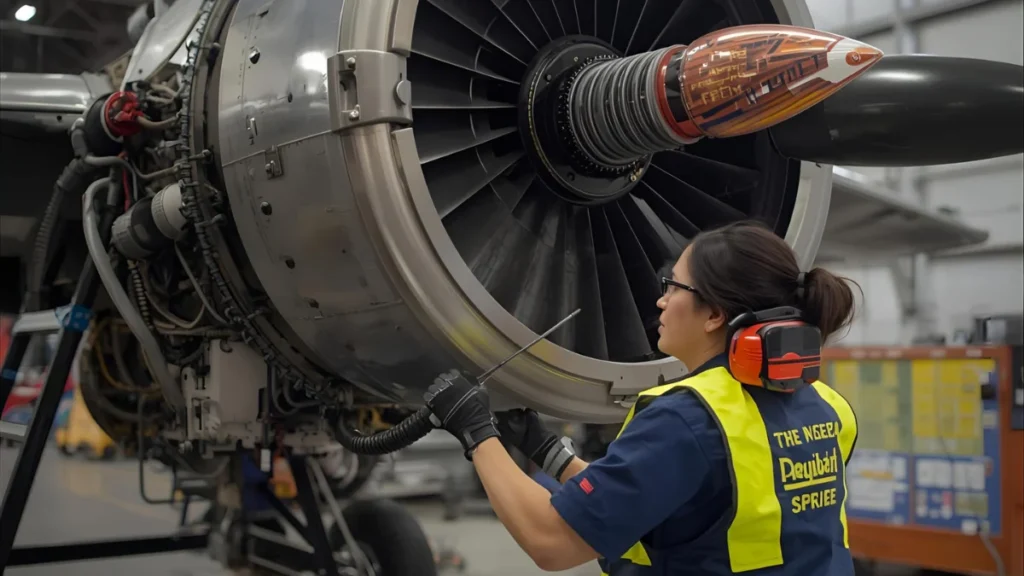
Hydraulic power governs key ATR systems—from landing gear extension to brake actuation. Reports of hydraulic pump failures prompted both European and U.S. regulators to act.
- 2016–2019: EASA investigated several ATR hydraulic events linked to degraded pumps.
- 2023: Emergency hydraulic pump directive issued in Europe after in-flight returns.
- 2024: FAA published its NPRM, citing unacceptable MEL allowances.
- 2025: The FAA Final AD ATR completes the process, harmonizing U.S. and European rules.
Stakeholders & Affected Parties
- Airlines: Regional carriers in the U.S., Asia-Pacific, and Africa operating ATR fleets.
- Manufacturers: ATR (Airbus–Leonardo JV) and system suppliers must ramp production.
- Pilots & Crews: Face stricter MEL interpretations that limit dispatch flexibility.
- Regulators, including the FAA, EASA, and DGCA India, among others, align their oversight with ICAO frameworks.
The result: a global compliance requirement that extends far beyond U.S. airspace.
Industry & Expert Reactions

- FAA & EASA: Argue that FAA airworthiness directive 2025 removes unacceptable risks.
- Airlines: Express concern over grounding risks if pump supply chains lag.
- Unions: Pilot associations back the update, noting that Minimum Equipment List ATR restrictions reduce operational stress on crews.
Implementation Challenges & Risks
- Technical: Pump replacements may face bottlenecks.
- Operational: Stricter MEL rules mean more cancellations.
- Financial: Regional operators with thin margins bear heavy costs.
- Global Coordination: Divergent timelines across the FAA, EASA, and DGCA India could confuse operators.
Solutions or Best Practices
- Phased compliance to avoid simultaneous fleet groundings.
- Shared spares programs among operators to reduce shortages.
- Industry-regulator working groups to track real-time challenges.
- OEM support scaling, with ATR promising increased production capacity.
Future Outlook
The FAA Final AD ATR is likely to:
- Strengthen ATR 72 safety compliance standards.
- Push innovation in electro-hydraulic and hybrid systems to replace vulnerable pumps.
- Encourage ICAO to champion globally harmonized AD frameworks.
- Drive fleet renewal decisions among operators, balancing compliance cost vs. modernization.
Suggestions for Policy Amendments
- Cost Relief: Subsidies or flexible compliance schedules for small regional operators.
- Data Transparency: Mandated sharing of pump reliability stats across regions.
- Harmonized Deadlines: ICAO to coordinate deadlines across FAA, EASA, and DGCA.
Conclusion
The FAA Final AD ATR illustrates the delicate balance between technical rigor and operational reality. By addressing hydraulic pump risks and tightening Minimum Equipment List ATR allowances, regulators are ensuring safer skies.
For passengers, this translates into greater confidence in ATR aircraft safety; for operators, it highlights the ongoing challenge of managing compliance in a cost-pressured environment. The long-term payoff is clear: more substantial safety margins and a global aviation ecosystem better aligned with 21st-century risks.
FAQ
1. Why focus on ATR hydraulic pumps?
Multiple reports of failures revealed systemic reliability issues that necessitated mandatory action.
2. Which carriers in the U.S. are impacted?
Operators like Silver Airways, with ATR fleets, fall under FAA oversight.
3. What’s the compliance deadline?
The FAA Airworthiness Directive 2025 becomes effective on September 11, 2025.
4. Could MEL changes affect passengers?
Yes—stricter MEL rules may increase cancellations if systems fail.
5. Will DGCA India issue a parallel directive?
Yes, DGCA typically mirrors FAA/EASA ADs for global ATR fleet compliance.
Reference: FAA Regulations

