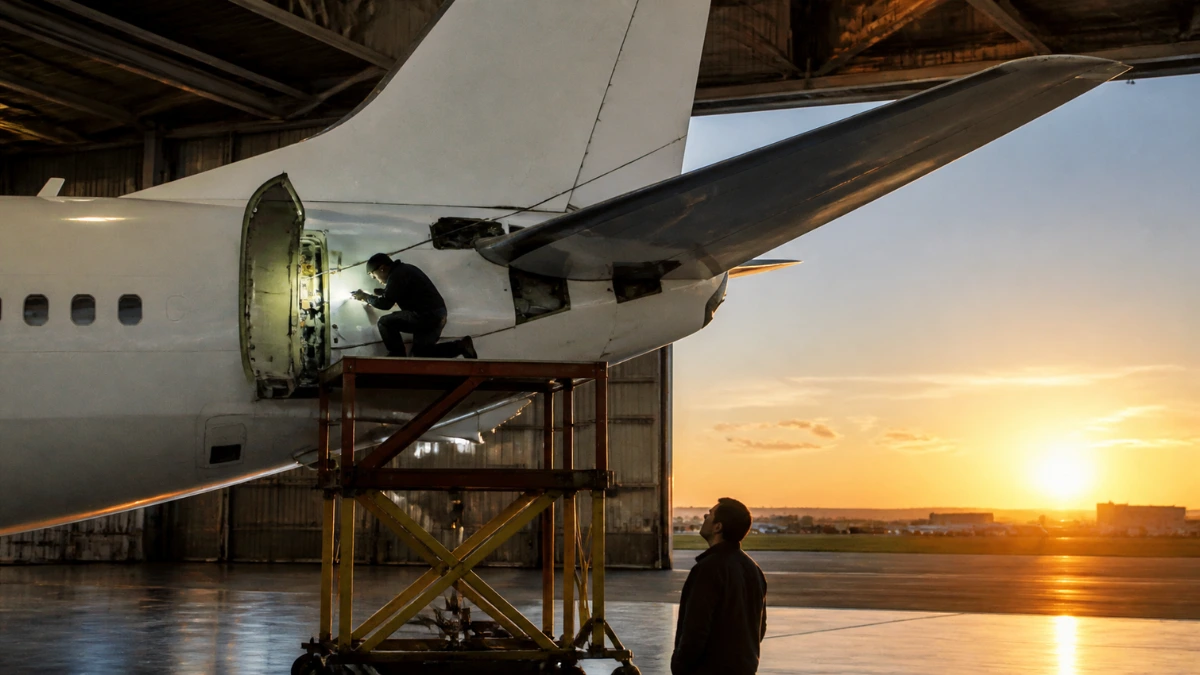
Pitch oscillation reports pushed the FAA to order freeplay measurements on nearly 2,000 US-registered 737NGs. The fix is an inspection, not a modification. The clock is already running.
FAA AD 2026-20-14 · FR Doc. 2026-21333Effective 23 November 2026 1,987 US-registered airplanes
Quick Answers
| Which airplanes are affected? | Boeing 737-600, -700, -700C, -800, -900, and -900ER series. No MAX variants are named in this AD. |
|---|---|
| What problem does it fix? | Multiple operators reported pitch oscillation events caused by excessive horizontal stabilizer freeplay. |
| What is the risk? | If not addressed, excessive freeplay could lead to a flutter event. Flutter can result in loss of control of the airplane. |
| What must operators do? | Measure the freeplay of the horizontal stabilizer pivot hinges and the jackscrew. Then take the applicable on-condition actions. |
| When does it take effect? | 23 November 2026. Compliance times run from the June 2025 issue date of the Boeing bulletin. |
| What does it cost? | The FAA estimates the measurement at $510 per airplane. No parts are required at this stage. |
Quick Compliance Summary
- Check your fleet list now. The AD covers six NG series models. Confirm whether any of your registrations fall inside it.
- Get Boeing Alert Requirements Bulletin 737-55A1104 RB. It is dated June 12, 2025. The AD incorporates it by reference and points to its compliance columns.
- The thresholds started in June 2025. The bulletin has been out for over a year. Treat any deadline that has already passed as urgent.
- Plan the measurement around a 6-hour job. The FAA prices it at 6 work-hours. It is inspection work, not a shop-visit driver yet.
- Read the measurement results carefully. The follow-on actions are on-condition. A worn part means repair or replacement before the aircraft returns to service.
- Brief your flight crews. Pitch oscillation reports triggered this AD. Any repeat event should go straight to your maintenance program.
Who Should Read This
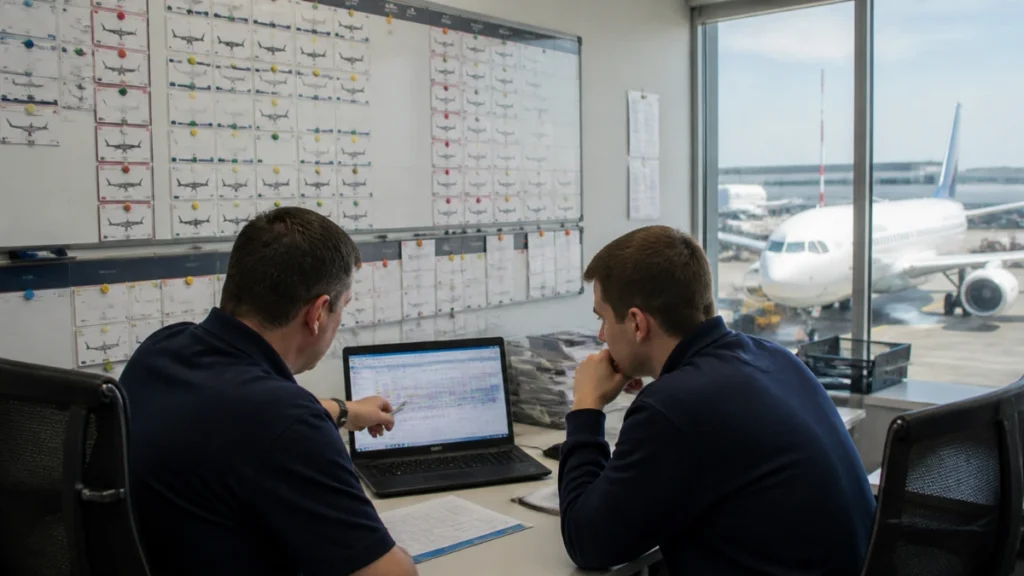
Essential: Operators of 737NG series airplanes, CAMOs and maintenance planning teams, structures and systems engineers, and Part-145 organizations working the type.
Important: Flight operations and safety managers on the 737 fleet, lessors tracking NG returns, and inspectors reviewing continuation traininjackscrewg for the type.
At a Glance
| Element | Detail |
|---|---|
| Rule | AD 2026-20-14 — final rule, 14 CFR Part 39 |
| Identifiers | FR Doc. 2026-21333 · Docket FAA-2025-5403 · Project AD-2025-01167-T · Amendment 39-23487 |
| Publication | Federal Register Vol. 91, No. 200, pages 65959–65961, 19 October 2026 |
| Effective | 23 November 2026 |
| Applicability | Boeing 737-600, -700, -700C, -800, -900, -900ER (certain airplanes) |
| Incorporated document | Boeing Alert Requirements Bulletin 737-55A1104 RB, dated June 12, 2025 |
| Unsafe condition | Excessive horizontal stabilizer freeplay → possible flutter → loss of control |
| US fleet cost | $510 per airplane; $1,013,370 across 1,987 airplanes |
What Happened
Several 737NG operators reported the same thing. Their airplanes pitched up and down without a command. Investigation tied the oscillation to excessive freeplay in the horizontal stabilizer system.
The horizontal stabilizer sets the airplane’s trim. Its pivot hinges and jackscrew carry large loads. Wear at these points loosens the stabilizer. A loose surface can begin to oscillate. In the worst case, that oscillation grows into flutter. The FAA describes the end state plainly: loss of control of the airplane.
The FAA proposed a rule on January 9, 2026, and corrected it a week later. Commenters responded. On October 19, 2026, the FAA finalized the proposal as a rule.
What the AD Requires
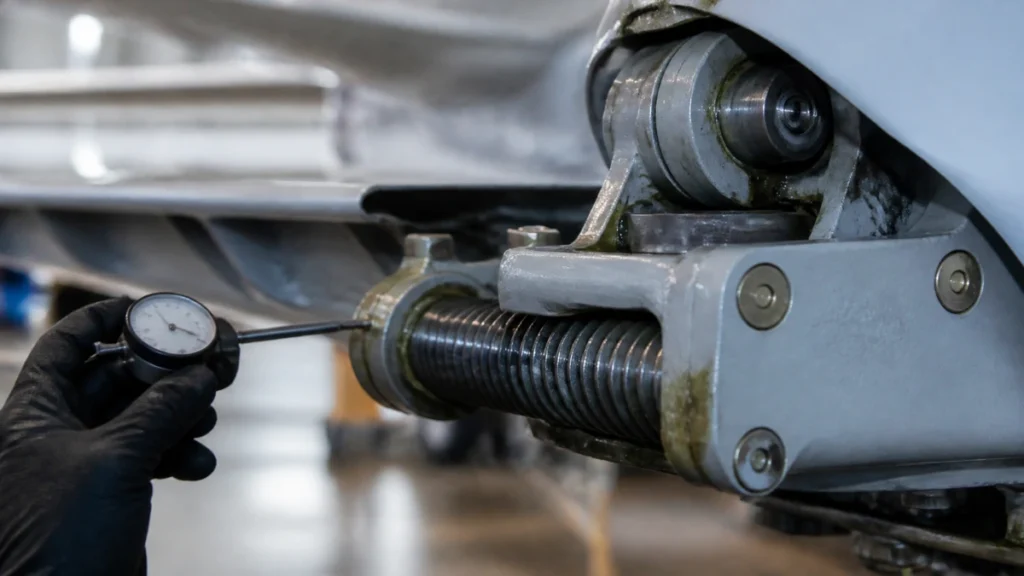
The core action is a measurement. Operators must measure the free play of the horizontal stabilizer pivot hinges and the jackscrew. The AD does this by requiring all actions in Boeing Alert Requirements Bulletin 737-55A1104 RB, dated June 12, 2025.
The bulletin sets two things operators need. First, it sets the compliance times. Second, it sets the follow-on actions once results are known. Those follow-on actions are on-condition. A measurement within limits means the part stays installed, with repeated inspections to monitor it. A worn part means repair or replacement.
Two comments shaped the final rule’s compliance discussion. Canadian North asked the FAA to move the initial inspection threshold out by two years, from 12 to 36 months after the bulletin’s issue date. The airline argued the change would align the inspection with a typical heavy maintenance visit. United Airlines noted that the repetitive intervals stay the same regardless of what the first inspection finds.
The FAA’s response to each commenter is published in the final rule. Read it before you book the work. The bulletin’s thresholds count from its original issue date of June 12, 2025. That date is now more than 16 months behind us.
Why the Clock Started Before the AD Did
This AD has an unusual feature. The compliance trigger is a manufacturer bulletin issued in June 2025, not the AD’s own effective date of November 23, 2026. The AD makes the bulletin’s timeline legally binding from its effective date.
For compliance planning, that means the first question is not “what does the AD cost?” It is “where does my fleet sit against a June 2025 start.” An operator that already accomplished the bulletin under its own maintenance program may be largely done. One that waited will need to move quickly once the AD is effective.
The FAA priced the measurement at 6 work-hours and $85 per hour. That is $510 per airplane, with no parts cost at this stage. Across 1,987 US-registered airplanes, the FAA puts the fleet cost at $1,013,370. The real exposure lies in the on-condition follow-ups, which the FAA doesn’t price because they depend on findings.
Impact Matrix
| Role | What the AD means for you | Immediate next step |
|---|---|---|
| Operator / fleet manager | Mandatory freeplay measurement on all in-scope NGs | Map each tail against the bulletin’s thresholds from June 12, 2025 |
| Maintenance planning | A 6-hour task, but follow-ups are on-condition | Slot the measurement into existing checks where thresholds allow |
| Structures engineering | Freeplay limits and disposition logic live in the bulletin | Confirm tooling and acceptance criteria are in your work cards |
| Part-145 / CAMO | Repetitive inspections follow the first measurement | Set up repeat tasks and record-keeping before results arrive |
| Flight operations | Pitch oscillation reports are the trigger condition | Refresh crew reporting guidance so events reach maintenance fast |
| Lessors / asset teams | Compliance status will follow the aircraft at transfer | Ask for bulletin accomplishment evidence at each redelivery |
Operator Checklist
- Confirm which of your registrations fall inside the six affected model series.
- Obtain Boeing Alert Requirements Bulletin 737-55A1104 RB, dated June 12, 2025.
- Establish each aircraft’s status against the bulletin’s compliance columns.
- Schedule the freeplay measurement, priced at 6 work-hours per airplane.
- Define the on-condition path for worn parts before the first inspection flies.
- Create the repetitive inspection task once you record the first measurement.
- Brief crews to report any pitch oscillation event immediately.
- Record AD 2026-20-14 in your AD compliance register with the November 23 effective date.
Key Dates
| Date | Event |
|---|---|
| June 12, 2025 | Boeing Alert Requirements Bulletin 737-55A1104 RB issued — thresholds start here |
| January 9, 2026 | FAA NPRM published (91 FR 931); corrected January 16, 2026 (91 FR 2090) |
| October 19, 2026 | Final rule published (FR Doc. 2026-21333) |
| November 23, 2026 | AD effective; bulletin incorporation by reference applies |
ARW Take
This is a quiet but important rule. Nothing here grounds an airplane, and nothing here costs much on paper. Yet the condition behind it — stabilizer freeplay leading to flutter — is one of the most serious failure modes a transport category airplane can carry.
Three points deserve attention. First, operators triggered it, not a single event. Multiple fleets reporting the same symptom is how the system is supposed to work, and it did. Second, the compliance clock started with the June 2025 bulletin, so the AD’s November date is not the start of the story. Operators who treated the bulletin as advisory have catching up to do. Third, the cost model is misleading. The measurement is cheap. Operators will feel this AD in the on-condition follow-ups, because worn parts mean work, downtime, and parts orders no one has budgeted for yet.
For maintenance planners, the practical move is simple. Map the fleet against the bulletin this week. Slot measurements into scheduled visits where you can. And treat any pitch oscillation report in your fleet as a priority item, because the FAA has now told everyone what it means.
Sources
- FAA Airworthiness Directives; The Boeing Company Airplanes — AD 2026-20-14, FR Doc. 2026-21333, 91 FR 65959 (October 19, 2026) — federalregister.gov
- FAA NPRM, 91 FR 931 (January 9, 2026); corrected 91 FR 2090 (January 16, 2026)
- Boeing Alert Requirements Bulletin 737-55A1104 RB, dated June 12, 2025 (incorporated by reference)
FAQ
Does this AD cover the 737 MAX?
No. The applicability names 737-600 through -900ER series airplanes. The MAX family has different model designations and is not covered by this rule.
Can I fly the airplane before the measurement?
The AD sets compliance times rather than an immediate standdown. Follow the bulletin’s thresholds exactly, and remember they run from June 2025. If a threshold has passed, the airplane is overdue on the day the AD becomes effective.
What happens if the measurement finds wear?
The bulletin’s on-condition actions apply. Depending on the finding, that means repair, replacement, or a shortened repetitive interval. Keep the result in the aircraft record either way.
Is there relief if I already did the bulletin?
Yes. The AD states “unless already done.” Accomplishment under your maintenance program counts, provided you can evidence it against the bulletin.
Related Reading
- FAA AD 2026-15-11: Boeing 737 MAX Fuselage Skin and Bear Strap Inspections
- FAA AD 2026-13-13: Boeing 737 Classic and NG Family
- FAA Issues Airworthiness Directive for Boeing 737 Classic Fuselage Crack Inspection
AviationRegWatch publishes regulatory intelligence for aviation compliance professionals. This article is an informational summary of a published final rule, not legal or airworthiness advice. Always verify requirements against the official Federal Register text and the incorporated Boeing bulletin, and consult your CAMO or the FAA before making compliance decisions.