Quick Answers
When does the UK CAA expect hydrogen-powered commercial flight?
The UK CAA’s hydrogen roadmap, published July 21, 2026, targets hydrogen operations for smaller aircraft by 2035. The three-phase plan runs: Demonstrate (2026–2030), Prove (2030–2035), Scale and Sustain (2035 onwards). No mandatory requirements are created — this is a regulatory planning framework for certification, operations, and infrastructure.
What did the UK CAA Hydrogen Challenge demonstrate?
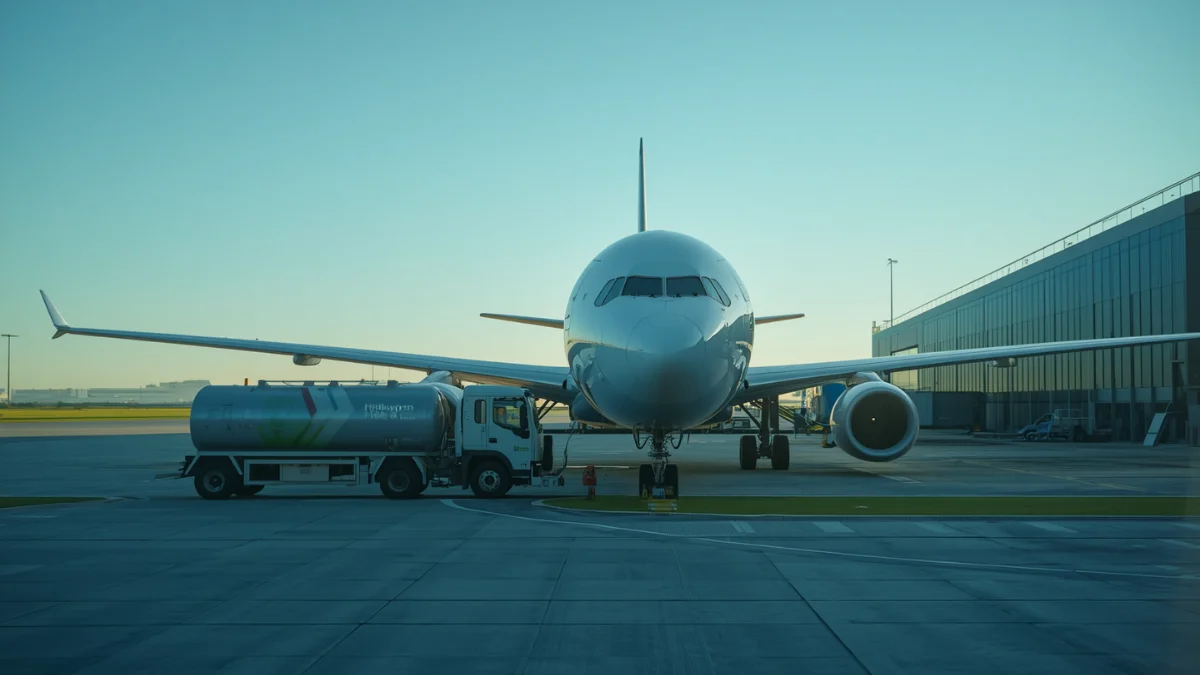
Eleven organizations participated. Three completed real-world demonstrations: Exeter Airport used hydrogen-powered ground vehicles for a zero-carbon aircraft turnaround, Cranfield Aerospace flew hydrogen fuel cell-powered UAS drones, and Rolls-Royce with easyJet ran a Pearl 15 engine on 100% hydrogen through a full simulated flight cycle.
Quick Compliance Summary
| Regulatory body | UK Civil Aviation Authority (CAA) |
| Publications | CAP3284: Hydrogen Challenge Sandbox Summary Report 2025/2026; UK CAA Hydrogen Roadmap |
| Published | July 21, 2026, at Farnborough International Air Show |
| What this is | A regulatory planning framework — not a mandatory rule or compliance directive |
| Three phases | Demonstrate (2026–2030), Prove (2030–2035), Scale and Sustain (2035 onwards) |
| Target | Hydrogen operations for smaller aircraft by 2035 |
| Who should care | Design organizations, certification engineers, airport operators, fuel infrastructure providers, regulatory affairs teams |
| Source | UK CAA CAP3284; UK Government Farnborough announcement, July 21–22, 2026 |
Who Should Read This
This update is directly relevant to:
- Certification engineers and design organization staff working on hydrogen propulsion, fuel cells, or hydrogen-compatible systems
- Regulatory Affairs teams tracking future certification pathways
- Airport operations and infrastructure planning teams
- Fuel supply chain and energy companies exploring aviation hydrogen supply
- Sustainability and net-zero strategy teams at airlines and MROs
- Academic and R&D organizations involved in hydrogen aviation research
This is not an airworthiness directive. No compliance action is required today. The value of this publication is strategic. It is the first detailed regulatory roadmap from a major national aviation authority setting out how hydrogen-powered aviation will be certified, operated, and scaled within that jurisdiction.
At a Glance
| Item | Details |
|---|---|
| Publication | CAP3284: Hydrogen Challenge Sandbox Summary Report 2025/2026 |
| Companion document | UK CAA Hydrogen Roadmap |
| Published | July 21, 2026 |
| Context | Farnborough International Air Show 2026 |
| Hydrogen Challenge program | 11 projects across the aviation ecosystem — airports, engines, UAS |
| Real-world demonstrations | 3 organizations completed physical hydrogen demonstrations |
| Government funding (Round 2) | £1.9 million |
| Government funding (Round 3) | £2.5 million — committed before March 2027 |
| Roadmap Phase 1 | Demonstrate (2026–2030) |
| Roadmap Phase 2 | Prove (2030–2035) |
| Roadmap Phase 3 | Scale and Sustain (2035 onwards) |
| Target | Hydrogen operations for smaller aircraft by 2035 |
What Was Published
On July 21, 2026, at Farnborough International Air Show, the UK CAA published two documents.
First: CAP3284 — Hydrogen Challenge Sandbox Summary Report 2025/2026. This is the formal findings report from the second round of the Hydrogen Challenge Regulatory Sandbox. Eleven organizations collaborated with the UK CAA to explore hydrogen-related safety risks, improve regulatory readiness, and support net-zero policy development. Three organizations completed real-world hydrogen demonstrations and trials.
Second: UK CAA Hydrogen Roadmap. This is the strategic planning document. It sets out a three-phase pathway for the regulator to support the safe, timely, and scalable introduction of hydrogen-powered flight in the UK through to 2050.
Both documents are published as part of the CAA’s Department for Transport-funded Hydrogen Challenge program.
The Three Real-World Demonstrations
The Hydrogen Challenge produced genuine operational evidence, not just desk studies.
Exeter Airport used hydrogen-powered ground vehicles to complete a zero-carbon aircraft turnaround. This demonstrated hydrogen’s viability for airport ground operations before the fuel is used in aircraft themselves.
Cranfield Aerospace Solutions used hydrogen fuel cells to power its Stingray high-endurance, high-range, high-altitude UAS drones. This demonstrated hydrogen propulsion in uncrewed aviation — a sector where regulatory certification pathways are already being developed.
Rolls-Royce, in partnership with easyJet, successfully modified a Pearl 15 business jet engine to run on 100% hydrogen. The engine achieved take-off thrust and completed a fully simulated flight cycle on hydrogen fuel.
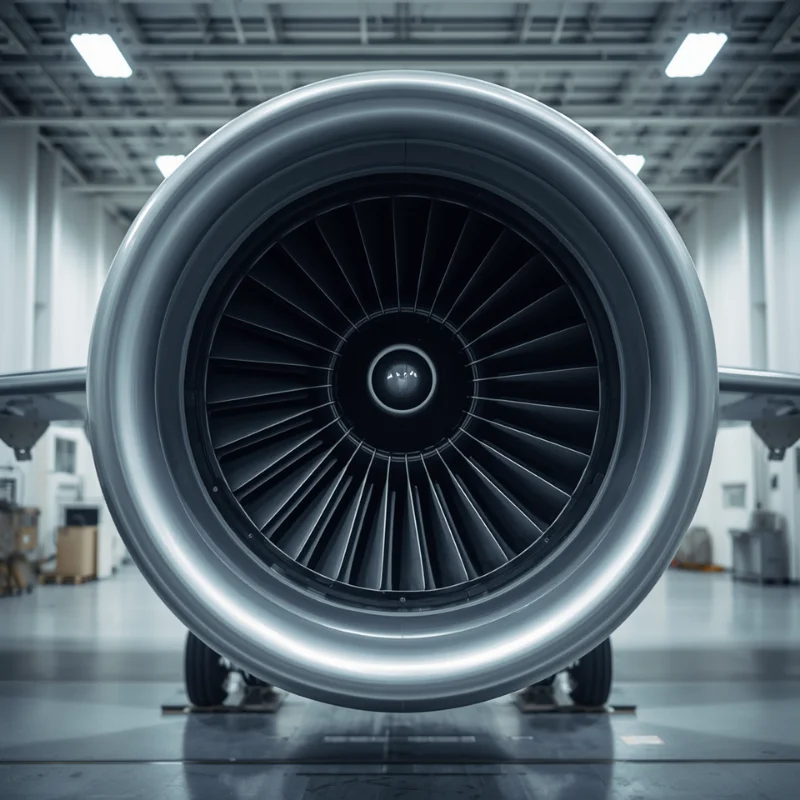
This is the most commercially significant demonstration in the program. The Pearl 15 is a current-production business aviation engine. Demonstrating a full simulated flight cycle on hydrogen establishes a baseline for future certification testing.
The Three-Phase Roadmap
The UK CAA Hydrogen Roadmap sets out a structured timeline with three phases.
Phase 1: Demonstrate (2026–2030)
Trials, demonstrations, and evidence generation. Small or modified aircraft under controlled conditions. Both low-powered (below 1 MW) and high-powered (above 1 MW) propulsion systems.
Early aerodrome activity focuses on initial gaseous hydrogen (GH₂) refueling trials at selected sites.
Activity in this phase is enabled through the Hydrogen Challenge program. Evidence generated will inform regulatory gap assessments. Early Special Conditions (SCs) and draft guidance will be developed in parallel.
Phase 2: Prove (2030–2035)
Repeatable certification, operational, and infrastructure frameworks. Initial, limited commercial operations on suitable routes and aerodromes.
Hydrogen-specific regulatory material and guidance will be consolidated. Aerodrome arrangements will mature toward more standardized, routine approaches.
This is the phase where the regulatory framework transitions from experimental to operational.
Phase 3: Scale and Sustain (2035 onwards)
Hydrogen aviation embedded within routine regulatory oversight and operations. Aligned with technology maturity, aerodrome investment cycles, and wider energy infrastructure development.
The CAA’s target is hydrogen operations for smaller aircraft by 2035. Full-scale commercial hydrogen aviation across larger aircraft types would follow in this phase, depending on technology maturity and infrastructure availability.
Why It Matters
This is the first detailed regulatory roadmap from a major national authority
Other regulators — EASA, FAA, Transport Canada — have published research, policy statements, and environmental strategy documents. The UK CAA is the first major national aviation authority to publish a structured, phased regulatory roadmap with defined milestones for how hydrogen aviation will be certified and operated.
This matters for three reasons.
First: certification planning needs a regulatory timeline. Design organizations working on hydrogen propulsion systems cannot plan certification campaigns without knowing when the regulator will have the framework ready to assess their products. The roadmap provides that timeline — even if it is indicative rather than binding.
Second: airport investment follows regulatory clarity. Hydrogen refueling infrastructure at airports requires significant capital investment. Airport operators need confidence that regulatory frameworks will be in place before they commit that capital. The roadmap’s aerodrome-specific phases address this directly.
Third: the UK is positioning itself for first-mover advantage in hydrogen certification. Post-Brexit, the UK CAA operates independently of EASA. The roadmap signals an intent to have hydrogen certification capabilities before EASA’s own framework is fully mature — potentially attracting manufacturers to seek UK certification first.
The Airbus ZEROe context matters
In May 2025, Airbus suspended its ZEROe hydrogen aircraft program, pushing the anticipated entry into service from 2035 to 2040 or later. The European aviation industry’s Destination 2050 roadmap reduced hydrogen’s contribution to net-zero from 20% to 6% as a result.
The UK CAA roadmap was published against that background. The CAA’s 2035 target for smaller aircraft operations is notable — it is more optimistic than Airbus’s revised timeline, but it applies to smaller aircraft, not the 150-seat narrow-body category Airbus was targeting.
What This Does NOT Do
This roadmap does not:
- Create any new mandatory requirement for operators, manufacturers, or airports
- Mandate hydrogen fuel use at any UK airport
- Guarantee that any specific hydrogen aircraft type will be certified by any date
- Replace or modify existing aviation fuel certification standards
It provides a planning framework. Industry and regulators are working toward the same milestones. But no compliance obligation flows from this document.
Government Funding Context
The Hydrogen Challenge program has received direct UK Government funding through the Department for Transport.
| Funding round | Amount | Period |
|---|---|---|
| Round 2 (completed) | £1.9 million | 2025/2026 |
| Round 3 (committed) | £2.5 million | Before March 2027 |
| UK Aerospace Technology Institute Programme | £2.3 billion over the next decade | Announced July 2026 |
| Low-carbon fuels fund | £219 million | Announced June 2026 |
The broader government commitment — £2.3 billion to the Aerospace Technology Institute Program and £219 million to the low-carbon fuels fund — provides the financial context within which the Hydrogen Challenge and roadmap sit.
Key Dates
| Event | Date |
|---|---|
| Hydrogen Challenge Round 1 | 2023 |
| Hydrogen Challenge Round 2 completed | 2025/2026 |
| Hydrogen Challenge Round 3 opened | June 2, 2026 |
| CAP3284 and Hydrogen Roadmap published | July 21, 2026 |
| Farnborough International Air Show | July 21–25, 2026 |
| Government Round 3 funding committed | Before March 2027 |
| Roadmap Phase 1 — Demonstrate | 2026–2030 |
| Roadmap Phase 2 — Prove | 2030–2035 |
| Roadmap Phase 3 — Scale and Sustain | 2035 onwards |
Source Documents
- UK CAA — CAP3284: Hydrogen Challenge Sandbox Summary Report 2025/2026
- UK Government — Over £7 million to fuel zero-emission flight across the UK (July 22, 2026)
- International Airport Review — UK regulator sets roadmap for hydrogen aviation by 2035
- Airport Industry News — CAA Publishes Findings of Hydrogen Challenge
- UK CAA Bilateral Agreements (Transport Canada, CASA, ANAC — same conference period)
FAQ
Does this roadmap create any new compliance obligations?
No. The roadmap is a regulatory planning framework. It does not create mandatory requirements for operators, manufacturers, or airports. No compliance action is required.
When does the UK CAA expect hydrogen-powered commercial flight?
The roadmap targets hydrogen operations for smaller aircraft by 2035. Scaling to larger aircraft types depends on technology maturity, infrastructure availability, and regulatory framework readiness beyond 2035.
What was the most significant Hydrogen Challenge demonstration?
Rolls-Royce, in partnership with easyJet, modified a Pearl 15 business jet engine to run on 100% hydrogen. The engine achieved take-off thrust and completed a fully simulated flight cycle. This is the first current-production business aviation engine to demonstrate a full hydrogen flight cycle.
How does this compare to EASA’s hydrogen timeline?
EASA has published research and policy material on hydrogen aviation but has not yet released a comparably structured phased roadmap with defined milestones. The UK CAA’s roadmap positions the UK as a potential first-mover on hydrogen certification within the major regulatory jurisdictions.
What happened to Airbus’s ZEROe hydrogen program?
Airbus suspended ZEROe in May 2025, pushing the anticipated entry into service from 2035 to 2040 or later. The UK CAA roadmap’s 2035 target applies to smaller aircraft, not the 150-seat narrow-body category Airbus was targeting.
Is there government funding behind this roadmap?
Yes. The Hydrogen Challenge received £1.9 million in Round 2 and has £2.5 million committed for Round 3 before March 2027. The broader government commitment includes £2.3 billion over a decade for the Aerospace Technology Institute Program and £219 million for a low-carbon fuels fund.
What are Special Conditions (SCs)?
Special Conditions are regulatory instruments used by certification authorities when existing airworthiness standards do not adequately address a novel technology. For hydrogen propulsion, SCs would define the specific safety and certification requirements applicable to hydrogen-powered aircraft until full hydrogen-specific standards are developed.
aviationregwatch.com publishes regulatory intelligence for aviation compliance professionals. This article is an informational summary, not legal or regulatory advice.