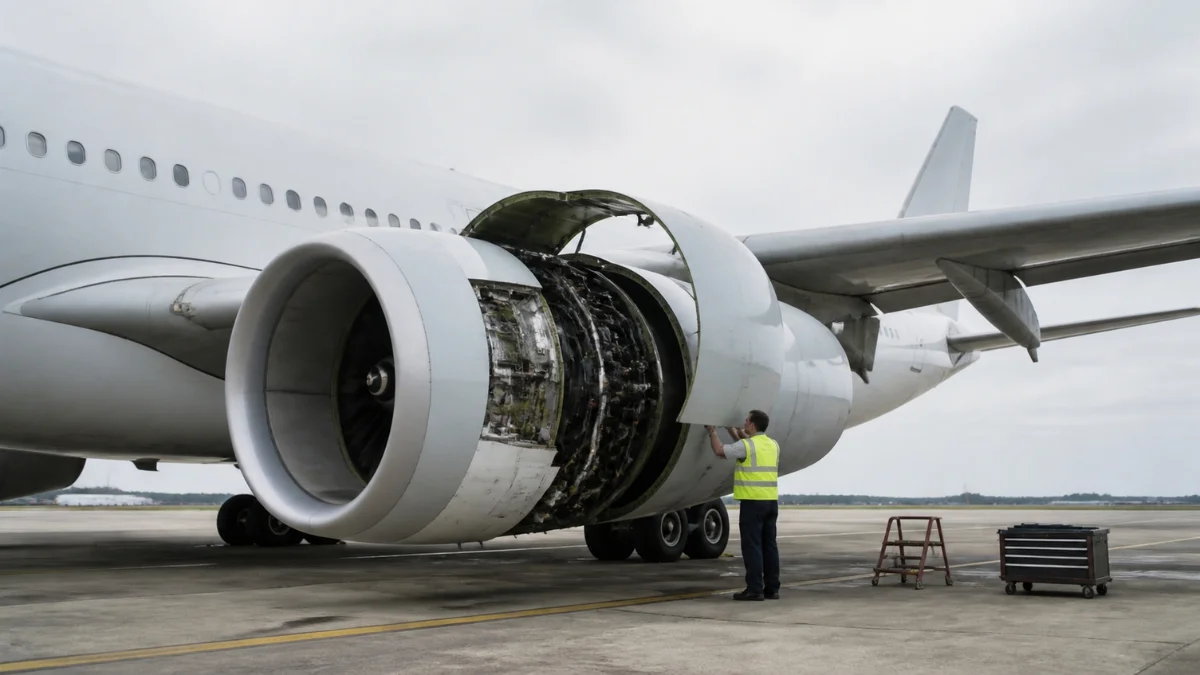
Final AD with Request for Comments Issued October 1, 2026 · Effective October 15, 2026 · Supersedes Emergency AD 2026-0172-E
Quick Answers
What is EASA AD 2026-0189? A final airworthiness directive prohibiting operation of an A330 twin with the affected Rolls-Royce Trent 700 oil pump part installed on both engines.
Why was it issued? Oil pump non-conformances caused low-oil-pressure events, and a potential failure mode was identified in the pump input coupling shear neck.
What is the worst case? A dual in-flight shutdown on a twin-engine airplane, resulting in reduced control of the aircraft.
When do operators need to act? From October 15, 2026, only serviceable oil pumps may be installed. From October 22, 2026, paired affected parts on both engines are prohibited.
What changed versus the emergency AD? The affected part-number list grew from five to twenty-one, and the oil-pump life threshold rose from 135 to 400 flight hours.
Quick Compliance Summary
| Item | Detail |
|---|---|
| AD number | EASA AD 2026-0189, ATA 79 — Engine Oil — Oil Pump — Operational Prohibition |
| Holder | Rolls-Royce Deutschland Ltd & Co KG |
| Engines | RB211 Trent 768-60, 772-60, 772B-60, 772C-60, all serial numbers |
| Aircraft | Airbus A330 airplanes (known installations, not limited to) |
| Effective date | October 15, 2026 |
| Supersedes | Emergency AD 2026-0172-E (September 4, 2026) |
| Reference | Rolls-Royce Alert NMSB RB211-79-AL442 Revision 1, dated September 21, 2026 |
| Comments | To ADs@easa.europa.eu by October 29, 2026 |
Who Should Read This
This directive is essential reading for A330 operators and CAMO teams managing Trent 768, 772, 772B, and 772C installations. Engine maintenance providers planning oil-pump swaps should carefully review the compliance timelines. Lessors and asset managers tracking A330 fleet transitions need to understand the pairing prohibition. Safety managers monitoring powerplant reliability trends will also want the background on how this AD evolved from an emergency action.
At a Glance
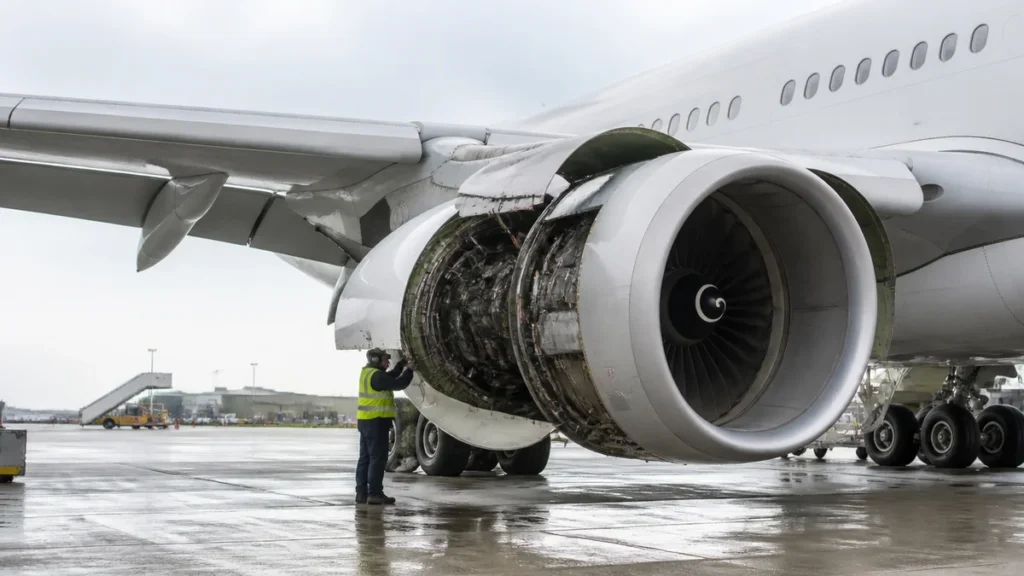
- The AD prohibits the use of affected oil pumps on both engines of a twin from October 22, 2026.
- From October 15, 2026, only serviceable parts may be installed on engines or airplanes.
- The serviceable-part definition now hinges on section 1.D of NMSB RB211-79-AL442 Revision 1.
- The life threshold for identifying not-affected pumps rose from 135 to 400 flight hours.
- The affected part-number list expanded from five to twenty-one part numbers.
- Comments are accepted until October 29, 2026, under the final-AD-with-comments procedure.
The Unsafe Condition
Reports of non-conformances led to low-oil-pressure events on low-life oil pumps. Rolls-Royce’s investigation identified a potential failure mode affecting the oil pump input-coupling shear neck. If that coupling fails, the pump can stop delivering oil pressure.
On a twin-engine airplane, the scenario that worries EASA is both engines carrying an affected pump. A common-mode failure could then produce a dual in-flight shutdown. The agency describes the possible result as reduced control of the airplane. That risk class is why the first response was an emergency directive rather than a standard proposal cycle.
From Emergency AD to Final AD
Rolls-Royce first published Alert NMSB RB211-79-AL440, instructing operators to de-pair engines on twin-engine airplanes. The goal was simple: never have affected parts installed on both engines at once. EASA issued Emergency AD 2026-0172-E on September 4, 2026, mandating de-pairing and limiting the number of affected parts to one per aircraft.
Three weeks later, the picture changed. Rolls-Royce published NMSB RB211-79-AL442 Revision 1 on September 21, 2026, expanding the criteria for identifying not-affected oil pumps. The life threshold increased from 135 flight hours to 400 flight hours. Rectification at an approved maintenance facility is now required for all affected units. The affected population also grew from five part numbers to twenty-one, adding fifteen P/Ns to the LR47390D, LR37940P, LR37940DD, LR47390B, and LR37940N already listed.
AD 2026-0189 converts that expanded picture into a stable final rule. It partially retains the emergency AD’s requirements and supersedes 2026-0172-E.
What the AD Requires
Operational prohibition. From seven days after the effective date — that is, October 22, 2026 — concurrent operation of an affected part on both engines of a twin-engine airplane is prohibited. If an affected part is installed on one engine, the opposite engine must carry a serviceable part.
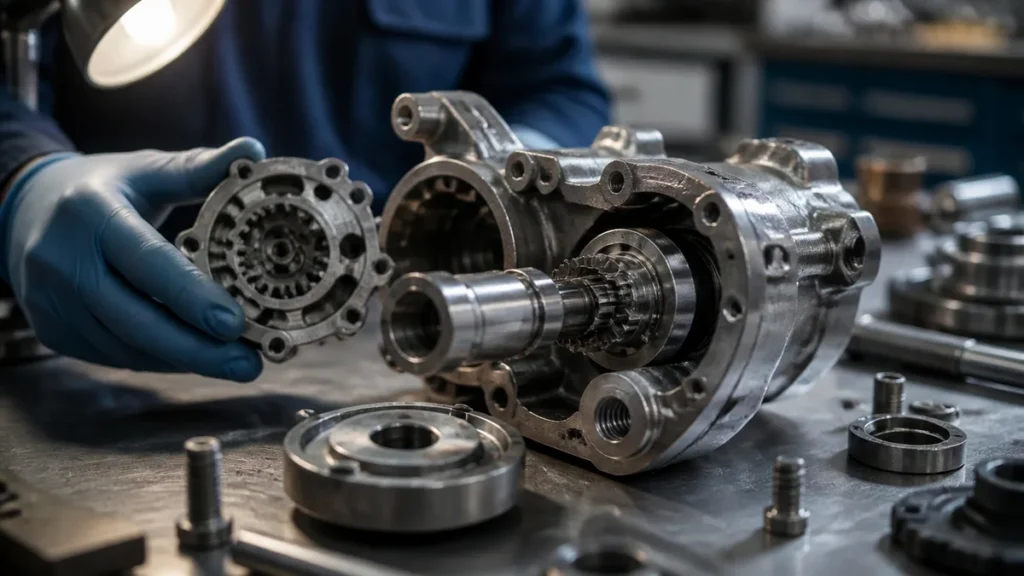
Installation control. Effective October 15, 2026, an oil pump may be installed on an engine only if it is a serviceable part. An engine may be installed on an airplane only if it is equipped with a serviceable oil pump. A serviceable part is one identified as a not-affected part in section 1.D of the NMSB, as defined in the AD.
Acceptable methods. Two paths satisfy the pairing prohibition. Operators can replace an affected part with a serviceable part in accordance with approved Rolls-Royce maintenance instructions. Alternatively, they can replace one affected engine entirely with an engine equipped with a serviceable part.
Impact Matrix
| Audience | What changes | Priority action |
|---|---|---|
| A330 operators | Fleet-wide oil-pump P/N and FH audit before October 22 | Map affected P/Ns per engine position; de-pair now |
| CAMO / planning | Shop visits triggered by rectification requirement | Book approved-facility slots; sequence engine removals |
| Engine shops | All affected units require approved-facility rectification | Confirm AL442 Rev 1 work scope and parts supply |
| Lessors | Redelivery records must show serviceable-part status | Update transition checks with pump P/N verification |
| Safety managers | Dual-IFSD risk class; low-oil-pressure event reporting | Review fleet event history against shear-neck mode |
Action Checklist for Operators
- Pull current oil pump part numbers for every Trent 700 engine in the fleet.
- Identify which installed pumps are affected parts under NMSB AL442 Revision 1.
- Flag any airplane where both engines carry affected parts; these cannot operate after October 22, 2026.
- Plan swaps so every twin carries at least one serviceable pump from October 22 onward.
- Confirm rectification is booked at an approved maintenance facility for all affected units.
- Verify incoming spare pumps and engines carry only serviceable parts before installation.
- Submit substantive comments to EASA by October 29, 2026, if implementation timelines are impractical.
Key Dates
- September 4, 2026 — Emergency AD 2026-0172-E issued (superseded).
- September 21, 2026 — Rolls-Royce Alert NMSB RB211-79-AL442 Revision 1 published.
- October 1, 2026 — AD 2026-0189 issued.
- October 15, 2026 — AD effective; installation limited to serviceable parts.
- October 22, 2026 — Paired affected parts on both engines prohibited.
- October 29, 2026 — Comment deadline under the request-for-comments procedure.
The AviationRegWatch Take
The step from emergency AD to final AD in under a month shows how seriously EASA treats this failure mode. The 400-flight-hour threshold and the expanded part-number list will return some pumps to service, easing the short-term parts squeeze. But the pairing prohibition is absolute, and the October 22 date is only three weeks out from publication. A330 operators with Trent 700s should treat the pump P/N audit as this week’s job, not next month’s. Watch the comment-response document after October 29; any change to the serviceable-part definition would move compliance costs materially.
Sources
- EASA AD 2026-0189, issued October 1, 2026: EASA Safety Publications Tool record · AD PDF
- Rolls-Royce Alert NMSB RB211-79-AL442 Revision 1, dated September 21, 2026 (via Rolls-Royce Care portal)
- Superseded: EASA Emergency AD 2026-0172-E, dated September 4, 2026
aviationregwatch.com publishes regulatory intelligence for aviation compliance professionals. This article is an informational summary, not legal or airworthiness advice. Consult your CAMO, engine manufacturer representative, or competent authority for compliance decisions.
FAQ
Does this AD apply to all Trent 700 engines?
It applies to RB211 Trent 768-60, 772-60, 772B-60, and 772C-60 engines, all serial numbers. These engines are known to be installed on Airbus A330 airplanes, but the applicability is not limited to that type.
What makes an oil pump a serviceable part?
A serviceable part is a pump with one of the listed part numbers identified as a not-affected part in section 1.D of NMSB RB211-79-AL442 Revision 1, as defined in the AD.
Can I still fly with an affected pump on one engine?
Yes, provided the opposite engine carries a serviceable part. The prohibition targets affected parts on both engines of a twin simultaneously.
Why did the life threshold change from 135 to 400 flight hours?
Rolls-Royce expanded the criteria for identifying unaffected oil pumps in AL442 Revision 1, raising the threshold from 135 to 400 flight hours and requiring approved-facility rectification for affected units.
Is there still time to comment?
Yes. EASA issued this as a final AD with a request for comments; comments referencing the AD number should be sent to ADs@easa.europa.eu by October 29, 2026.