
Quick Answers
What does FAA AD 2026-12-07 require for Boeing 787 operators?
FAA AD 2026-12-07, effective July 20, 2026, requires replacing the Mode Control Panel on certain Boeing 787-8, 787-9, and 787-10 airplanes that have MCP part numbers 4091640-901, -902, or -903 installed. The replacement MCP is P/N 4091640-904. An installation test must be performed after replacement.
Why is an uncommanded MCP altitude change on a Boeing 787 a safety risk?
An uncommanded change to the MCP-selected altitude can cause the autopilot to track an unintended altitude without the crew’s knowledge. This can result in controlled flight into terrain (CFIT) if the aircraft descends toward the ground, or a traffic conflict if it enters shared airspace — both potentially catastrophic outcomes.
Quick Compliance Summary
| Regulatory body | Federal Aviation Administration (FAA) |
| AD number | 2026-12-07 — Amendment 39-23377 |
| Docket | FAA-2025-3426 |
| Aircraft affected | Certain Boeing 787-8, 787-9, and 787-10 airplanes as identified in Boeing ARB B787-81205-SB220004-00 RB, Issue 001 |
| Issue | Uncommanded changes to the Mode Control Panel (MCP) selected altitude |
| Required action | Replace existing MCP with updated MCP (P/N 4091640-904). Perform installation test |
| Compliance deadline | July 20, 2026 — five days from today |
| US fleet affected | 163 airplanes, of which 28 are registered to foreign air carriers |
| Warranty note | Honeywell has stated some or all costs may be covered under warranty |
| Source | Federal Register Vol. 91, No. 114, June 15, 2026 — FR Doc 2026-11974 |
Who Should Read This
This update is directly relevant to:
- Continuing Airworthiness Managers (CAMs) for 787 fleets
- Directors of Maintenance
- MRO Planning Teams scheduling 787 maintenance visits
- Engineering and Technical Records departments tracking MCP part numbers
- Procurement and warranty teams
If your fleet includes Boeing 787-8, 787-9, or 787-10 airplanes with MCP part numbers 4091640-901, 4091640-902, or 4091640-903 installed, this AD requires action within five days, before July 20, 2026.
At a Glance
| Item | Details |
|---|---|
| AD Number | 2026-12-07 |
| Amendment | 39-23377 |
| Docket | FAA-2025-3426 |
| ATA Code | 22 — Auto Flight |
| Aircraft | Certain 787-8, 787-9, 787-10 |
| Effective date | July 20, 2026 |
| Affected MCP P/Ns | 4091640-901, 4091640-902, 4091640-903 |
| Replacement MCP P/N | 4091640-904 |
| Required actions | MCP replacement + installation test |
| Cost per aircraft | Up to $405,170 (2 work-hours + up to $405,000 parts) |
| Warranty note | Honeywell may cover some or all parts costs |
| US fleet affected | 163 airplanes |
| Industry support | ALPA, Boeing, KLM, United Airlines all supported NPRM without change |
| FAA contact | Michael Closson — michael.closson@faa.gov, 206-231-3973 |
What Changed
The FAA published AD 2026-12-07 on June 15, 2026. It is effective July 20, 2026.
The NPRM was published November 17, 2025. Four major industry parties — the Air Line Pilots Association (ALPA), Boeing, KLM Royal Dutch Airlines, and United Airlines — all supported the NPRM without change. The FAA received comments from Etihad Airways and the Citizens Rulemaking Alliance but made no substantive changes to the AD in response.
The AD requires replacing the existing MCP on affected 787 airplanes with an updated MCP and performing an installation test.
Why It Matters
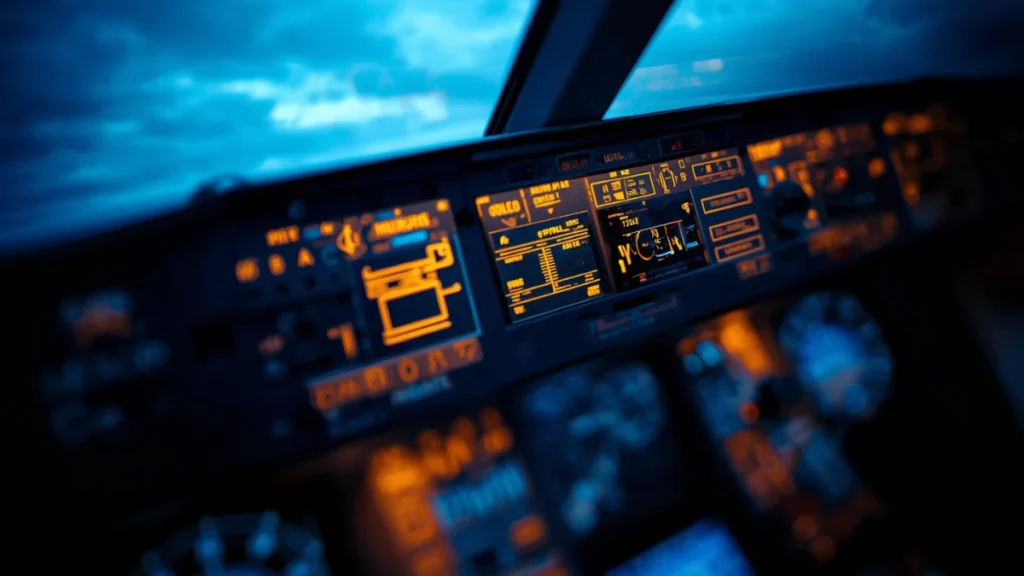
The unsafe condition is unambiguous. Reports identified uncommanded changes to the MCP selected altitude on affected 787 airplanes.
The MCP is the primary interface through which the flight crew selects and controls altitude, speed, heading, and vertical speed in the autoflight system. An uncommanded change to the selected altitude can cause the autopilot to begin descending or climbing toward an altitude no one selected — without the crew’s knowledge or intent.
The consequence chain is direct:
- Uncommanded altitude change goes undetected
- Autopilot prosecutes an unintended altitude
- Aircraft descends toward terrain → Controlled Flight Into Terrain (CFIT)
- Aircraft enters conflicting traffic in shared airspace → mid-air collision
Both CFIT and mid-air collision are catastrophic, unrecoverable failure modes. This is the highest-consequence unsafe condition in the current ARW article series.
ALPA — the union representing thousands of airline pilots — supported the AD without change. That is not routine. Pilot associations scrutinize ADs closely. Unanimous industry support, including pilot advocacy, signals that the safety community assessed the risk as genuine and the required action as proportionate.
Which Aircraft Are Affected
Applicability is determined by serial number, not simply by model. The AD applies to aircraft identified in Boeing Alert Requirements Bulletin B787-81205-SB220004-00 RB, Issue 001, dated April 22, 2025.
The key indicator is the installed MCP part number. Affected MCPs are:
| Part Number | Status |
|---|---|
| 4091640-901 | Affected — must be replaced |
| 4091640-902 | Affected — must be replaced |
| 4091640-903 | Affected — must be replaced |
| 4091640-904 | Not affected — already the updated unit |
If your aircraft already has MCP P/N 4091640-904 installed, it is not subject to the replacement requirement. Confirm your installed part numbers against the Boeing ARB for each aircraft in your fleet.
Required Action
Step 1 — Replace the MCP
At the applicable compliance time in Boeing Alert Requirements Bulletin B787-81205-SB220004-00 RB, Issue 001, replace existing MCP part numbers 4091640-901, -902, or -903 with MCP P/N 4091640-904.
Where the Boeing Recommended Compliance Time column references the Issue 001 date of the ARB, use the AD effective date of July 20, 2026 instead.
Step 2 — Perform the installation test
After installing MCP P/N 4091640-904, perform the MCP installation test specified in the ARB Accomplishment Instructions until the test passes.
The test confirms the replacement unit functions correctly in the aircraft’s autoflight architecture before return to service.
Warranty — Check Before Paying
The FAA explicitly noted in the AD that Honeywell — the MCP manufacturer — has stated that some or all of the costs of retrofitting the MCP to P/N 4091640-904 may be covered under warranty.
The parts cost is the dominant expense — up to $405,000 per aircraft. Labor is minimal — 2 work-hours at $85/hour = $170.
Before committing to parts procurement costs, contact your Honeywell account representative or Boeing technical support to confirm warranty status for your specific aircraft serial numbers and MCP part numbers.
If a part is retrofitted rather than replaced outright, purchasing a new replacement part is unnecessary. The retrofit option and warranty coverage could materially reduce compliance cost.
Operational Impact
The FAA confirmed this AD will not trigger downtime costs. The MCP replacement can be accomplished during regularly scheduled maintenance.
For operators with 787s in heavy or base maintenance between now and July 20, prioritize the MCP check on those aircraft. For high-utilization aircraft not currently in scheduled maintenance, assess whether an unscheduled maintenance input is required or whether the compliance threshold in the Boeing ARB permits a brief extension.
The deadline is in five days. Confirm your fleet’s MCP part numbers today. Any aircraft with affected MCP part numbers that have not been replaced by July 20, 2026, cannot operate legally under 14 CFR 39.7.
Key Dates
| Event | Date |
|---|---|
| Boeing Alert Requirements Bulletin issued | April 22, 2025 |
| NPRM published | November 17, 2025 |
| AD 2026-12-07 published | June 15, 2026 |
| AD effective date/compliance deadline | July 20, 2026 |
Source Documents
- Federal Register Vol. 91, No. 114, June 15, 2026 — FR Doc 2026-11974
- Boeing Alert Requirements Bulletin B787-81205-SB220004-00 RB, Issue 001, April 22, 2025 — contact Boeing Commercial Airplanes via myboeingfleet.com or 562-797-1717
- AD Docket: regulations.gov, Docket No. FAA-2025-3426
- FAA contact: Michael Closson — michael.closson@faa.gov, 206-231-3973
FAQ
How do I know if my 787 is affected?
Check the installed MCP part number against the three affected part numbers: 4091640-901, 4091640-902, and 4091640-903. If any of those are installed, the aircraft is subject to the replacement requirement. Confirm serial number applicability against Boeing ARB B787-81205-SB220004-00 RB, Issue 001.
What if MCP P/N 4091640-904 is already installed?
No action is required under this AD for that aircraft. The replacement has already been accomplished.
Can we get the MCP retrofitted rather than replaced outright?
Yes. Honeywell may retrofit the existing MCP to P/N 4091640-904 under warranty. If the part is retrofitted, no new replacement part needs to be purchased. Confirm warranty eligibility with Honeywell or your Boeing technical support contact.
Why did the MCP produce uncommanded altitude changes?
The specific technical root cause — the failure mode in the affected MCP part numbers — is described in Boeing Alert Requirements Bulletin B787-81205-SB220004-00, Issue 001. The ARB Accomplishment Instructions define both the replacement procedure and the installation test that confirms correct function after replacement.
Why did ALPA support this AD without any changes?
ALPA represents over 67,000 pilots at US airlines. Pilot associations routinely scrutinize ADs for operational implications before supporting them. Unanimous ALPA support indicates the pilot community assessed the uncommanded altitude change risk as genuine and the required MCP replacement as the appropriate corrective action.
What happens if the compliance deadline is missed?
Operating an affected aircraft with an affected MCP after July 20, 2026 constitutes a violation of 14 CFR 39.7. Contact your principal inspector or FAA Flight Standards Office immediately if you anticipate missing the deadline and need to discuss AMOC options.
Related Reading:
- FAA Issues Airworthiness Directive for Airbus A330 Family Structural Unsafe Condition
- FAA Issues Airworthiness Directive for Boeing 737 Classic Fuselage Crack Inspection
- FAA AD 2026-11-07: Bombardier BD-700 Seat Frame Modification
- FAA AD 2026-09-18: Bombardier BD-700 Baggage Door Bolts Require Torque Check
- FAA Supersedes Two Prior ADs on Airbus Helicopters AS332 Cabin Door Jettison System — Effective August 3, 2026
aviationregwatch.com publishes regulatory intelligence for aviation compliance professionals. This article is an informational summary, not legal or airworthiness advice. Consult your aircraft manufacturer, CAMO, or legal counsel for compliance decisions.